THE CHIRP
Battery or fault
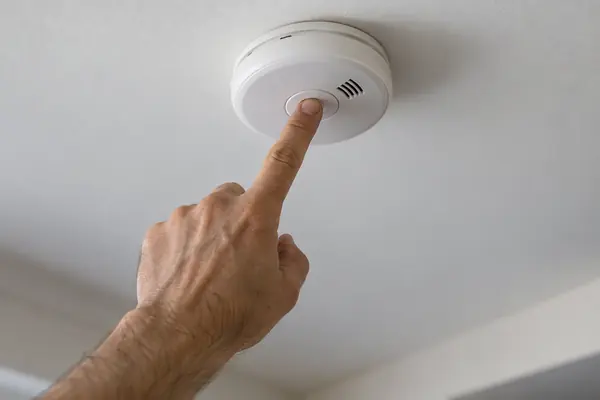
Buckinghamshire Fire and Rescue says a short, intermittent high-pitched sound means a low battery or fault. GOV.UK says to replace the battery immediately.
Decode the beep doodlebeep
Start
WHAT FIRE SERVICES SAY
A chirping smoke alarm is asking for help.
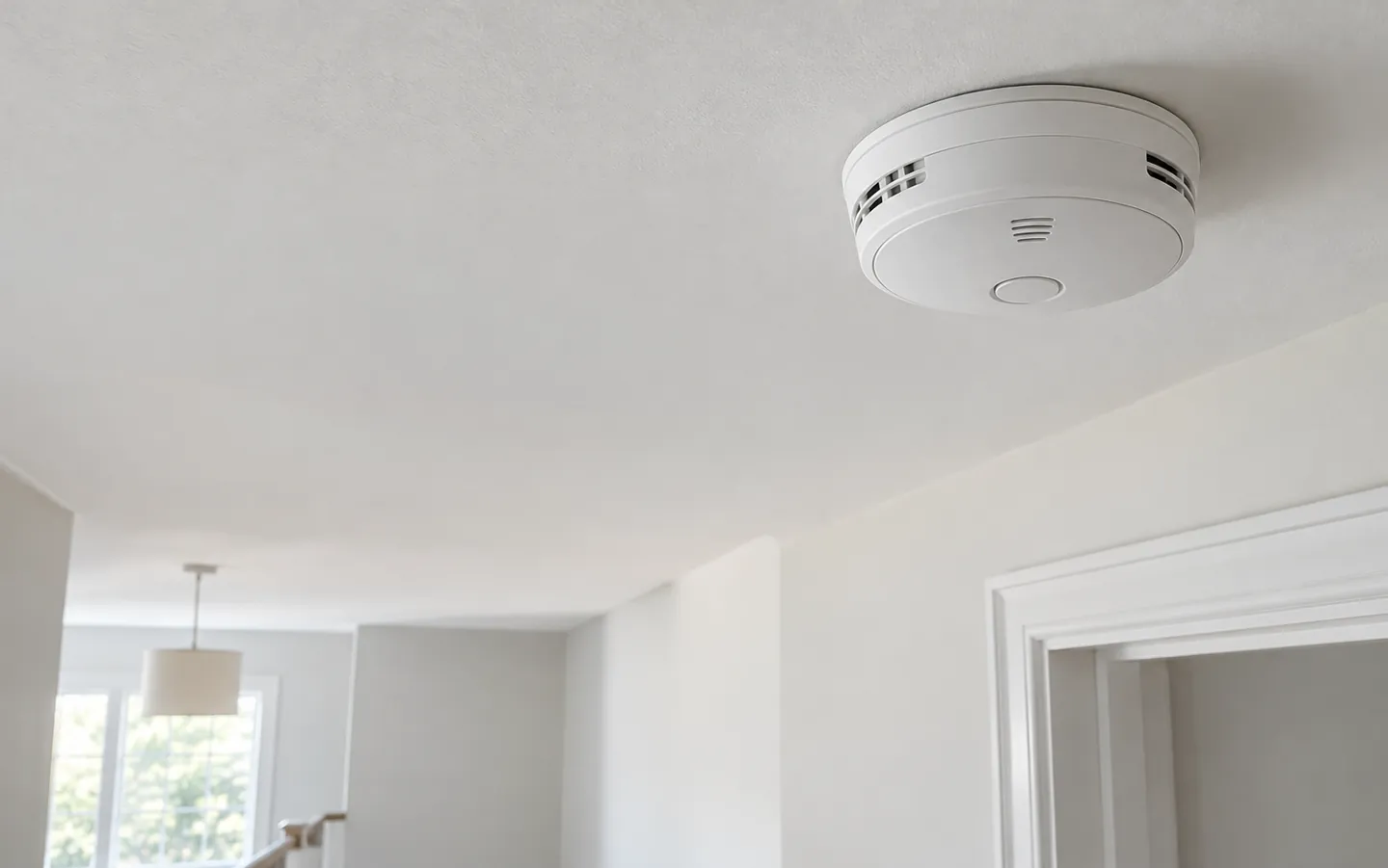
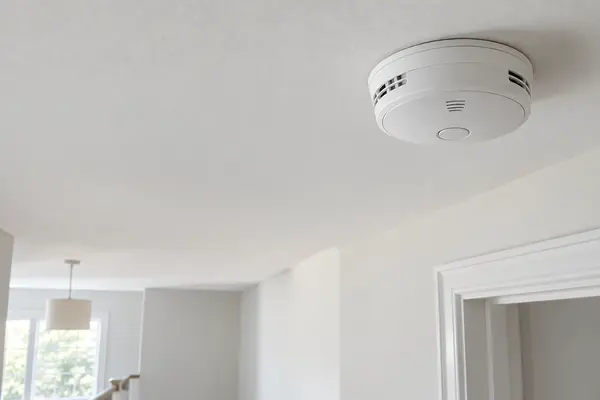
A short, high-pitched beep every so often usually points to a low battery or a fault. UK fire services say to deal with it straight away, test every month and replace the whole alarm after ten years.
TEST MONTHLYreplace after 10 years
Decode the beepKeep in mind
THE SHORT ANSWER
Most beeps are about power or age.
Both are quick to fix and easy to forget.
THE CHIRP
Buckinghamshire Fire and Rescue says a short, intermittent high-pitched sound means a low battery or fault. GOV.UK says to replace the battery immediately.
Decode the beepTHE TEST
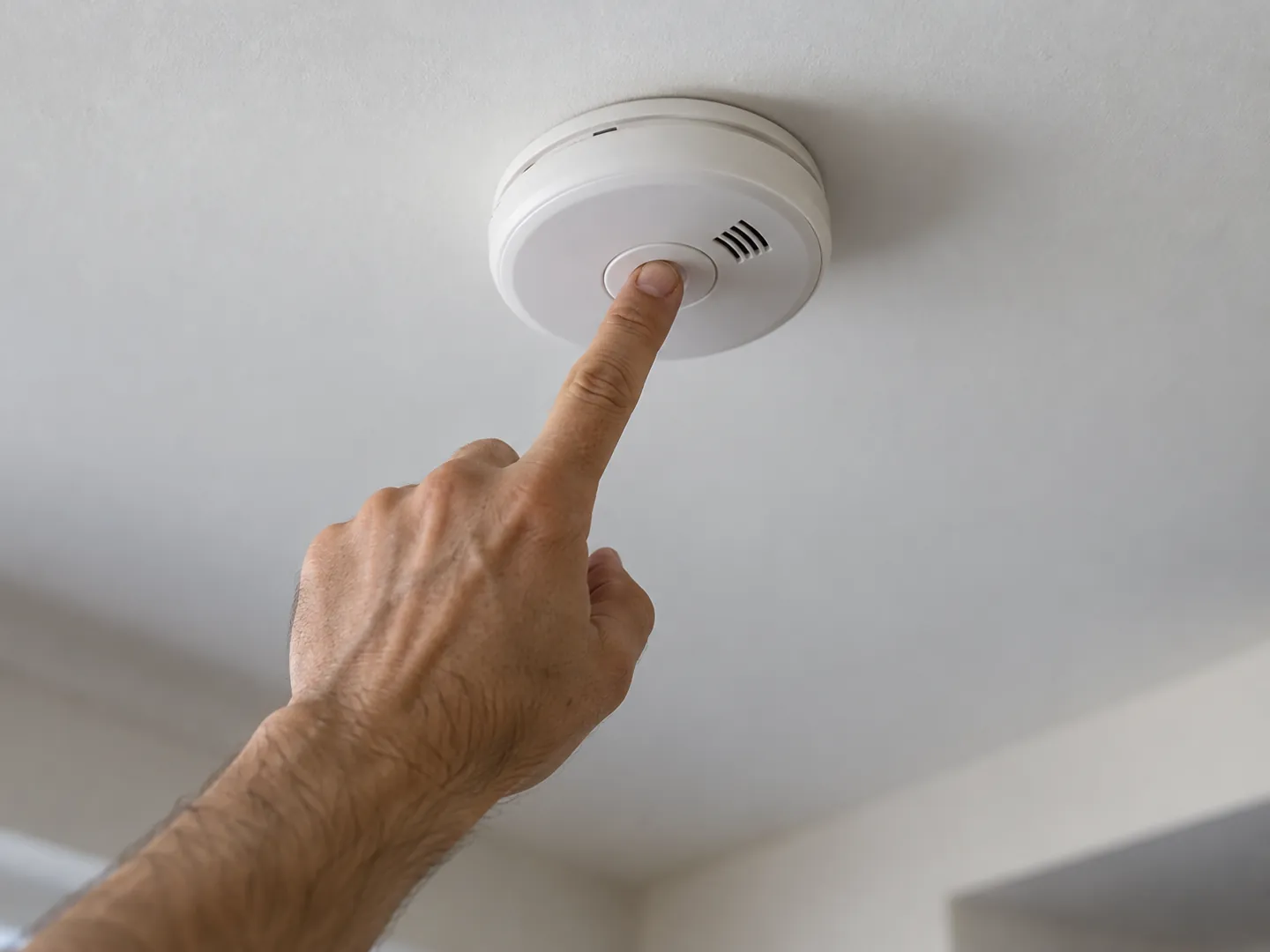
GOV.UK says to test smoke alarms at least monthly. Fire Scotland says if it does not sound when you press test, fit a new battery.
How to checkTHE KITCHEN
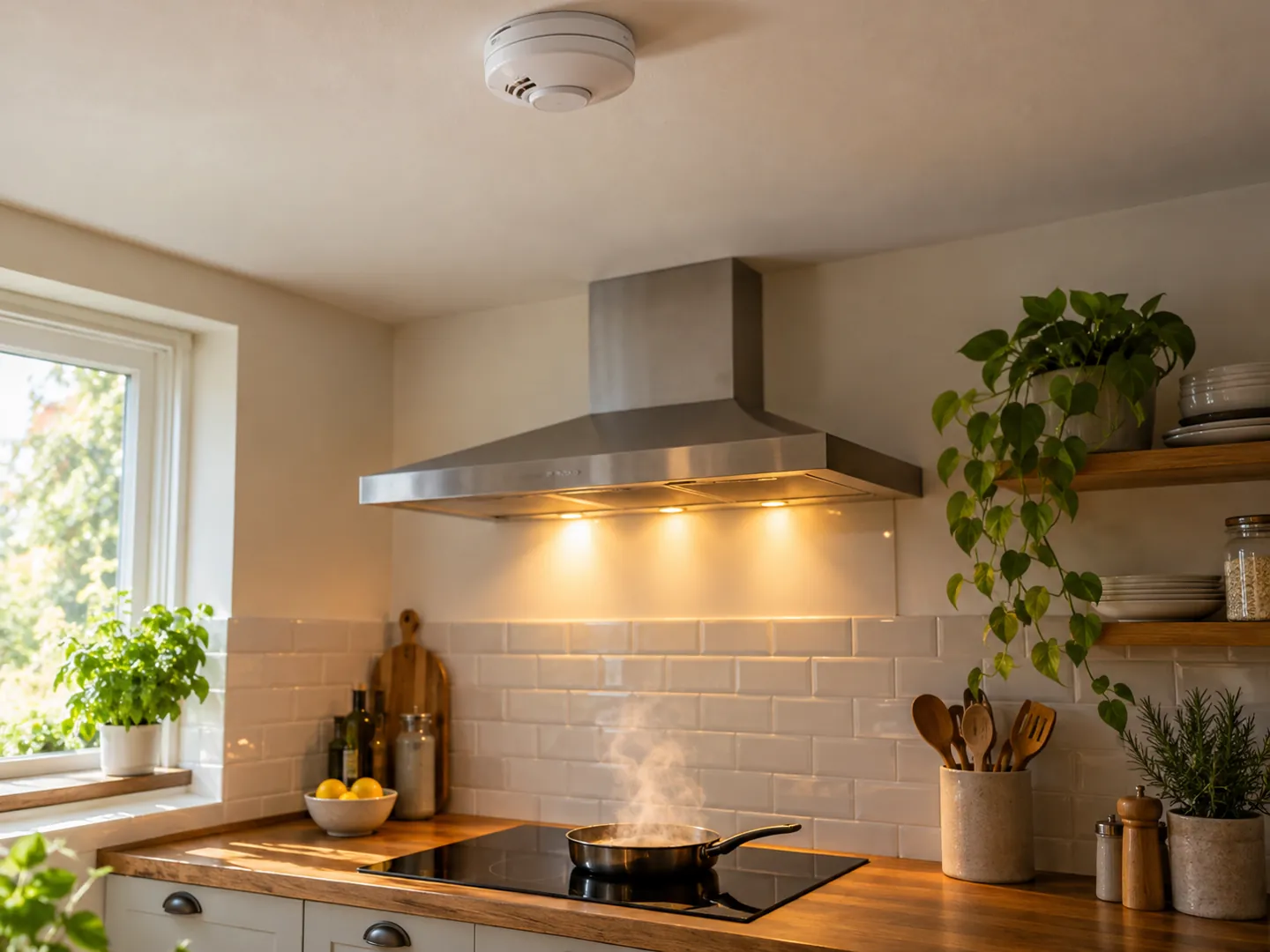
Smoke and steam can set off smoke alarms by accident. GOV.UK says heat alarms can cover kitchens, where smoke alarms should not go.
Where alarms goA QUICK BEEP CHECK
Pick what you are hearing or seeing. The bar shows how urgently the guidance says to act.
Based on GOV.UK fire safety in the home, the NFCC, Fire Scotland and Buckinghamshire Fire and Rescue. Always follow your alarm's own instructions.
TWO NUMBERS WORTH KNOWING
One figure on how common working alarms are,
one on what the gap costs.
92%
Homes with a working smoke alarm
Government fire statistics report that 92% of households in England had a working smoke alarm in the year ending March 2024.
HOUSEHOLDS · ENGLAND
≈ 11× higher
Risk of dying without a working alarm
People in homes without a working smoke alarm were around 11 times more likely to die in a dwelling fire, based on the past five years of data.
FIRE DEATHS · ENGLAND
In the year to March 2025, no smoke alarm was present in 24% of dwelling fires in England, and alarms were absent in 31% of fire-related deaths (Home Office detailed analysis of fires, published 14 August 2025).
FOUR CHECKS TO DO
None of these needs tools beyond a step stool. Put a monthly reminder in your phone and work through them.
Step 1
Do it at least monthly. Fire Scotland says if it does not sound, fit a new battery.
Step 2
Replace the whole alarm after 10 years, or by the replace-by date printed on its base.
Step 3
Fire Scotland suggests gently vacuuming the inside and outside of the casing.
Step 4
Fit at least one smoke alarm on every level of your home, ideally on the ceiling of the hallway and landing.
WHERE ALARMS GO
GOV.UK says the ideal position is on the ceiling, in the middle of a room, and on the hallway and landing. Keep smoke alarms out of kitchens and bathrooms, where smoke or steam can set them off by accident.
Fire Scotland recommends an interlinked heat alarm in the kitchen; with interlinked alarms, one going off sets them all off. Strobe light and vibrating pad alarms are available for people who are deaf or hard of hearing.
Questions
Buckinghamshire Fire and Rescue Service says a short, intermittent high-pitched warning means a low battery or a fault. GOV.UK says if an alarm beeps regularly, replace the battery immediately.
GOV.UK says to test smoke alarms at least monthly by pressing the test button. If it does not sound, Fire Scotland says to fit a new battery.
The NFCC says to replace smoke alarms after 10 years, or by the replace-by date on the base, because the sensor can degrade over time and may detect smoke less well.
No. GOV.UK says never disconnect an alarm or take its batteries out if it goes off by mistake. Keep smoke alarms away from kitchens, and use a heat alarm there instead.
Buckinghamshire Fire and Rescue Service says an alarm that cannot be silenced is faulty and should be replaced immediately.
Destination
Updated
ABOUT THIS NAME
doodlebeep.com is part of the DoodleSale portfolio. It isn't in an auction right now, but you can ask about leasing it.